স্বয়ংক্রিয় বাধা গেট প্রযুক্তিতে, উচ্চ গতি কেবল মোটর গতি বাড়ানোর বিষয় নয়।
বুম অপারেটিং গতি বাড়ার সাথে সাথে, যান্ত্রিক কাঠামো, ট্রান্সমিশন সিস্টেম এবং গতির গতিপথও একসাথে ডিজাইন করা দরকার।
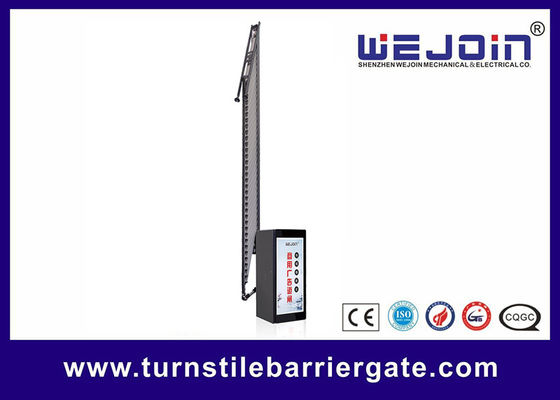
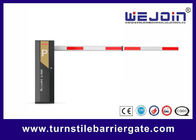
WEJOIN G30 সুপার 3D বাধা একটি ত্রিমাত্রিক বাঁকা গতিপথ তৈরি করতে উল্লম্ব এবং অনুভূমিক উভয় দিক থেকে ড্রাইভ বাহিনী ব্যবহার করে,উচ্চ গতির বাধা গেট ডিজাইনের জন্য একটি বিকল্প পদ্ধতির প্রস্তাব.
প্রচলিত বাধা গেট প্রধানত একটি একক গতি ব্যবহার
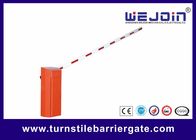
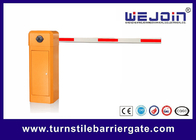
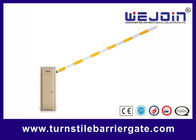
একটি প্রচলিত বাধা গেট সাধারণত একটি সহজ অপারেটিং নীতি অনুসরণ করেঃ ড্রাইভ প্রক্রিয়াটি বুমকে উপরে এবং নীচে ঘোরায়।
এই নকশাটি অনেক মৌলিক যানবাহন অ্যাক্সেস নিয়ন্ত্রণ অ্যাপ্লিকেশনগুলির প্রয়োজনীয়তা পূরণ করতে পারে।
যাইহোক, যখন একটি প্রকল্পের জন্য উচ্চতর অপারেটিং গতির প্রয়োজন হয়, তখন বুম ট্র্যাজেকটরি, স্টার্ট মোশন এবং স্টপিং পজিশনের মতো কারণগুলি ক্রমবর্ধমান গুরুত্বপূর্ণ হয়ে ওঠে।
উচ্চ-গতির বাধা গেটগুলির জন্য, পুরো গতি সিস্টেম বিবেচনা করা প্রয়োজন।
G30 দুটি ড্রাইভ দিকের মাধ্যমে একটি 3D গতির গতিপথ তৈরি করে
G30 দুটি ড্রাইভ মোটর ব্যবহার করে।
ওয়েজোইনের সরকারী তথ্য অনুযায়ী, উল্লম্ব ড্রাইভটি একটি দ্বি-পর্যায়ের গ্রহীয় গিয়ার ট্রান্সমিশন ব্যবহার করে, যখন অনুভূমিক ড্রাইভটি একটি দ্বি-পর্যায়ের গিয়ার ট্রান্সমিশন ব্যবহার করে।দুটি গতি একটি ত্রিমাত্রিক বাঁকা গতিপথ তৈরি করতে একত্রিত করা হয়.
তাই বোম কেবল উপরে এবং নীচে ঘোরায় না, বরং এটি খোলার এবং বন্ধ হওয়ার সময় একটি পরিকল্পিত ত্রিমাত্রিক গতিপথ অনুসরণ করে।
হাই-স্পিড অপারেশনে 3 ডি মোশন কেন প্রাসঙ্গিক?
উচ্চ গতির অপারেশনের সময়, বাধা গেটটি শুরু, ত্বরণ, চলাচল এবং থামানো সহ বিভিন্ন পর্যায়ে পরিচালনা করতে হবে।
G30 একটি স্থায়ী-ম্যাগনেট সিঙ্ক্রোনাস ডিসি মোটর এবং পরিবর্তনশীল ফ্রিকোয়েন্সি নিয়ন্ত্রণের সাথে একটি 3D গতি প্রক্রিয়া ব্যবহার করে।
অফিসিয়াল প্রোডাক্ট স্পেসিফিকেশনের মতে, জি৩০ এর অপারেটিং স্পিড ০.৩ সেকেন্ড।
অতএব, একটি উচ্চ গতির বাধা গেট মূল্যায়ন করার সময়,শুধুমাত্র স্পিড স্পেসিফিকেশন নয়, ড্রাইভ সিস্টেম এবং উচ্চ গতির অপারেশনের জন্য যান্ত্রিক কাঠামো ডিজাইন করা হয়েছে কিনা তা বিবেচনা করা গুরুত্বপূর্ণ.
সামঞ্জস্যযোগ্য স্টপিং অবস্থানগুলি ইনস্টলেশন নমনীয়তা উন্নত করে
G30 এর একটি কাঠামোগত বৈশিষ্ট্য হল ত্রিমাত্রিক স্থানের মধ্যে বিভিন্ন স্থানে স্টপিং অবস্থান সেট করার ক্ষমতা।
এর মানে হল যে সিস্টেমটি সম্পূর্ণরূপে প্রচলিত বাধা কাঠামোর মধ্যে পাওয়া স্থির বুম আন্দোলনের উচ্চতা দ্বারা সীমাবদ্ধ নয়।
বিভিন্ন লাইন বিন্যাস এবং ইনস্টলেশন অবস্থার জন্য, এই গতি নিয়ন্ত্রণ পদ্ধতি অতিরিক্ত কনফিগারেশন নমনীয়তা প্রদান করে।
ডুয়াল ড্রাইভ একটি অতিরিক্ত অপারেটিং স্তর প্রদান করে
G30 দুটি স্বাধীন ড্রাইভ সিস্টেম ব্যবহার করে।
পণ্য তথ্য অনুযায়ী, যদি একটি ড্রাইভ একটি ত্রুটির সম্মুখীন হয়, অন্য ড্রাইভ এখনও তার সংশ্লিষ্ট স্থানিক দিকের গতি সম্পাদন করতে পারে।
এর অর্থ এই নয় যে প্রতিবন্ধকতা সম্ভাব্য ত্রুটির শর্তে সম্পূর্ণ কার্যকারিতা বজায় রাখে। পরিবর্তে,দ্বৈত ড্রাইভ কাঠামো যান্ত্রিক আন্দোলন সিস্টেমের জন্য অতিরিক্ত redundancy স্তর যোগ করে.
বি-টু-বি প্রকল্পগুলির জন্য, এই কাঠামোগত বৈশিষ্ট্যটি কেবলমাত্র উচ্চ গতির প্রচার করার চেয়ে বেশি অর্থবহ।
এক-অক্ষের গতি থেকে 3 ডি গতিতে
জি-৩০-এর পেছনের প্রযুক্তিগত ধারণা সংক্ষেপে বলা যায়:
ডুয়াল ড্রাইভ → দ্বি-দিকের ট্রান্সমিশন → 3 ডি বাঁকা তীর → উচ্চ গতির গতি নিয়ন্ত্রণ।
এই পদ্ধতিতে উচ্চ-ফ্রিকোয়েন্সি যানবাহন অ্যাক্সেসের অ্যাপ্লিকেশনগুলির জন্য আরেকটি বাধা গেট সমাধান সরবরাহ করার জন্য যান্ত্রিক প্রকৌশলকে গতি নিয়ন্ত্রণের সাথে একত্রিত করা হয়।


 আপনার বার্তাটি 20-3,000 টির মধ্যে হতে হবে!